Pages

Showing posts with label Beautiful Pictures. Show all posts

Apr 15, 2008

Kale


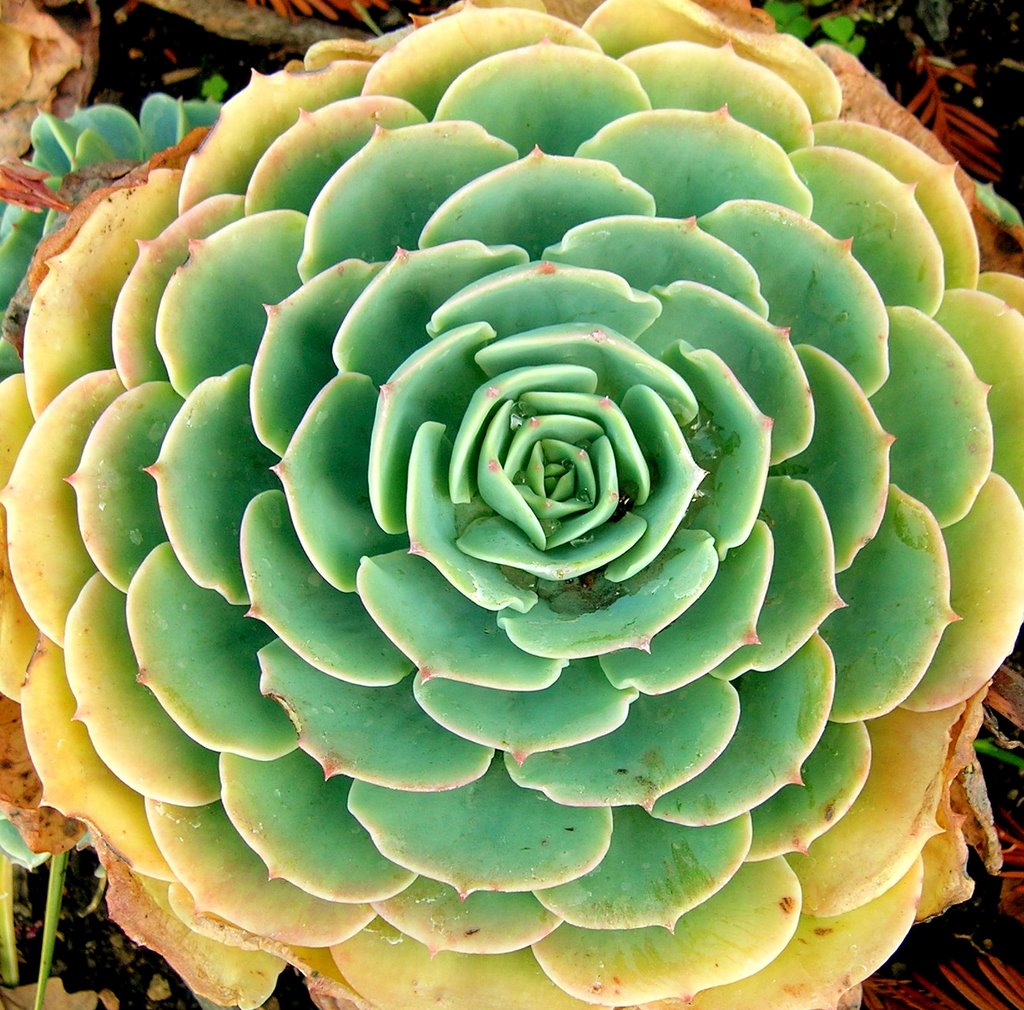
This lovely picture is KALE and is my entry to Click hosted by Jugalbandhi.

'Click' is a theme-based monthly food photography event.

Q: Where did I click this picture?

A: In my apartment complex. My apartment lawns most of the time resemble a vegetable garden with herbs and lemon plants. Early this year I found this kale and I could not resist clicking it.

Q: What is kale?

A: Tender kale greens can provide an intense addition to salads, particularly when combined with other such strongly-flavored ingredients as dry-roasted peanuts, tamari-roasted almonds, or red pepper flakes.

Kale is considered to be a highly nutritious vegetable, with powerful antioxidant properties and is anti-inflammatory. Kale is very high in beta carotene, vitamin K, vitamin A, vitamin C, lutein and zeaxanthin and reasonably rich in calcium. Because of its high vitamin K content, patients taking anti-coagulants such as warfarin are encouraged to avoid this food since it increases the vitamin K concentration in the blood which is what the drugs are often attempting to lower. This effectively lowers the effective dose of the drug.

Many varieties of kale are referred to as "flowering kales" and are grown mainly for their ornamental leaves, which are brilliant white, red, pink, lavender, blue or violet in the interior or the rosette, (rosette - meaning - A cluster of leaves growing in crowded circles from a common center or crown). Most plants sold as "ornamental cabbage" are in fact kales. Ornamental kale is every bit as edible as any other variety, provided it has not been treated with pesticides or other harmful chemicals.

Click here to learn more about Kale.

May 24, 2007

Zinnia


This is my contribution for the Flower Fest A-Z for the letter Z.

This is a picture of Zinnia that I grow in my Patio. These are very very bright colored flowers and looks very catchy and beautiful.
innias are true American natives that originated from the Southwest US, Mexico and Central America. The original was a purplish wildflower that grew in the Mexican deserts. Hybridizers have turned it into one of the most popular bedding plants.

Zinnias grow to between 6 and 40 inches in height with single and double blossoms varying in diameter from less than an inch to 7 inches. The petals can be any of a wide range of colors or multicolored.

Yellow Day Lily


This is my contribution for the Flower Fest A-Z for the letter Y.

These Yellow Day lily flowers are growing abundantly in our apartment complex.

The leaves of the Yellow Day Lily Flowering Bulb grow vigorously to over two feet long, arching like grass.

Blooms of the Yellow Daylily Flowering Bulb begin from mid-May and continue forward.

This Yellow Day Lily Flowering Bulb measure six inches across with petals that reflex backwards gracefully.

Wildrose


Each year, in the early part of June, these small white wild roses begin to bloom, bringing a contrast to the green background. These roses are a climbing variety, and they utilize other trees and shrubs for their support. A few of these roses are in single bushes, but most are seen cascading down from the branches of other vegetation


These are wild growing, massively fragrant multifloras that bloom buckets of five petaled white flowers in late spring and early summer.

Vinca Minor


This is my contribution for the flowerfest A - Z for the letter V.

This is a picture of a Periwinkle, popularly called Vinca Minor. I found these pretty flowers in my Apartment Complex.

Vinca Minor, Periwinkle is a good groundcover for shady landscapes.

Spider Lily


This is my contribution for the Flower Fest A to Z for the letter S.

This is a picture of Spider Lily captured in San Diego.

The leaves of Spider Lily grow in 6 leaf clusters and are present in spring but are gone by the time of flowering in the summer season. The flower stem is about 2 feet high and each stem has several flowers. This Spider Lily is a relative of the Cahaba Lily (Hymenocallis coronaria) which grows in the Cahaba River. This information was extracted from Here.

May 11, 2007

Rose


This is my contribution for the flowerfest A to Z for the letter R.


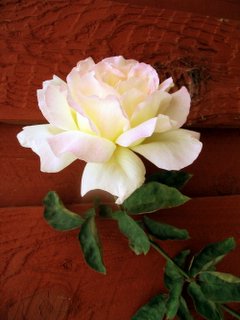
Rose is my favorite flower and this photo (logo for all my blogs) was shot in my sister's house.


A rose is a flowering shrub of the genus Rosa, and the flower of this shrub. There are more than a hundred species of wild roses, all from the northern hemisphere and mostly from temperate regions. The species form a group of generally prickly shrubs or climbers, and sometimes trailing plants, reaching 2–5 m tall, rarely reaching as high as 20 m by climbing over other plants.


The name originates from Latin rosa, borrowed through Oscan from colonial Greek in southern Italy: (Source:Wikipedia)

Apr 20, 2007

Primula


This is my contribution to Flowefest A to Z for the letter P.


This is a picuture of Primula that I found in my apartment complex.


Extraction from Wiki about Primula.


Primula is a genus of 400-500 species of low-growing herbs in the family Primulaceae. They include primrose, auricula, cowslip and oxslip. Many species are grown for their ornamental flowers. They are native to the temperate Northern Hemisphere, south into high altitude tropical mountains in Ethiopia, Indonesia and New Guinea, and are also found in temperate southern South America.


Perennial primulas bloom mostly during the
spring; their flowers can be purple, yellow, red, pink, or white. Generally, they prefer filtered sunlight. Many species are adapted to high alpine climates.

Both the common name and scientific name refer to it being the first (prime) "rose" to open in spring.


Primroses are used as food plants by the
larvae of some Lepidoptera species including Large Yellow Underwing, Lesser Broad-bordered Yellow Underwing, Setaceous Hebrew Character and Silver-ground Carpet.

Some species of Primula are commonly known as polyanthus.

Mar 31, 2007

Oxeye Daisy


This is my contribution to the Flower Fest - The A - Z of Flowers for the Letter O.

Extracted from www.wikipedia.com

The oxeye daisy (Leucanthemum vulgare, syn. Chrysanthemum leucanthemum) also known as the marguerite is a widespread flowering plant native to Europe and the temperate regions of Asia. It is one of a number of plants to be called by the common name daisy. It is also sometimes called moon daisy or dog daisy.
It is a perennial prostrate herb with small flower head (not larger than 5 cm) that consists of about 20 white ray flowers and numerous yellow disc flowers, growing on the end of the stem. The stem is mostly unbranched and sprouts laterally from a creeping rootstock.

The leaves are darkgreen on both sides. The basal and middle leaves are petiolate, obovate to spoon-shaped, and serrate to dentate. The upper leaves are shorter, sessile and borne along the stem.

It produces an abundant number of flat seeds without pappus. It spreads also vegetatively by rooting underground stems.

The oxeye daisy is a typical meadow flower, growing in a variety of plant communities such as dry fields, meadows, but also under scrubs, open-canopy forests and waste places. It thrives in a wide range of conditions and prefers heavy and damp
soils. It was introduced in parts of North America, Australia and New Zealand, where it is now a common weed displacing native plant species in some areas. It is difficult to control or eradicate, since a new plant can regenerate from rhizome fragments.

Mar 6, 2007

Marsh Marigold


This is my contribution to the Flower Fest - The A - Z of Flowers for the Letter M.


This wildflower is common in swampy areas and along stream banks. Marsh marigolds emerge from shallow water or grow on small mounds holding the plant just above the water. During their dormant period the soil must not be allowed to dry at all. Marsh Marigolds are a welcome sight in early spring but seem to disappear as fast as they emerged. They transplant well but going into the spring muck to dig them up can not be described as easy. Adding Marsh Marigolds to a water garden is well worth the effort.

Requirements:

Soil Type - Mucky
Soil pH - Neutral
Water - Wet
Light - Full sun to Partial shade

Characteristics:

Height - Average 1 ft., up to 2 ft
Time of Bloom - April - June
Flower colors - Yellow
Propagation - Division
Transplants - Easily

Feb 20, 2007

Lily


This is my contribution to the Flower Fest - The A - Z of Flowers for the Letter L.


The plants of the genus Lilium are the true lily plants, comprising a genus of about 100 species in the lily family, Liliaceae. They are important as showy and large flowered garden plants, and in literature.

Range

Lilies are native to the northern temperate regions. Their range in the
Old World extends across much of Europe, the north Mediterranean, across most of Asia to Japan, south to the Nilgiri mountains in India, and south to the Philippines. In the New World they extend from southern Canada through much of the United States. A few species formerly included within this genus have now been placed in other genera. These include Cardiocrinum and Nomocharis.


They are commonly adapted to either woodland habitats, often
montane, or sometimes to grassland habitats. A few can survive in marshland and a single one is known to live as an epiphyte (L. arboricola). In general they prefer moderately acidic or lime-free soils.

Botany

Lilies are usually erect leafy stemmed herbs. The majority of species form naked or tunic-less scaly underground
bulbs from which they overwinter. In some North American species the base of the bulb develops into rhizomes, on which numerous small bulbs are found. Some species develop stolons. A few species form bulbs at or near the soil surface .

Many species form stem-roots. With these, the bulb grows naturally at some depth in the soil, and each year the new stem puts out
adventitious roots above the bulb as it emerges from the soil. These roots are in addition to the basal roots that develop at the base of the bulb.

The large
flowers have three petals along with three petal-like sepals, often fragrant, and come in a range of colours ranging through whites, yellows, oranges, pinks, reds, purples, bronze and even nearly black. Markings include spots, brush strokes and picotees.

The plants are summer flowering. Most species are
deciduous, but Lilium candidum bears a basal rosette of leaves for much of the year. Flowers are formed at the top of a single erect stem, with leaves being borne at intervals up the stem.

Feb 8, 2007

San Francisco

The list of attractions in San Francisco goes on. Visitors to San Francisco are never far from one of the many attractions that has put this coastal city on the map. From grand, sweeping views of its neighborhood color and character, from glimpses of history to the world-class dining and shopping - San Francisco is home to a little bit of everything.

City and County of San Francisco is the fourth most populous city in California and the fourteenth-most populous in the United States.

As a result of the California Gold Rush in 1848, the city entered a period of rapid growth. After being devastated by the 1906 earthquake and fire, San Francisco was quickly rebuilt. It is located on the tip of the San Francisco Peninsula and is the focal point of the San Francisco Bay Area. San Francisco is the second most densely populated major city in the United States.

The first thing that comes to my mind when I think of SFO is the Most Magnificent beautiful Rust Colored Suspension Bridge I have ever seen. Its the Golden Gate Bridge, the Icon of the SF Bay Area.

Below are the Pictures that I shot whenever I visited this hustle bustle city.


Other than the Golden Gate Bridge, the Many things that come to my mind when I think of San Francisco are the Beautiful Lined Houses, The Lambard Street, The Alcatraz, Chinatown, View of the SF Downtown from the Vista Point, Ancient Magnificent Tall Buildings and a network of Cables and the Union Square.


Union Square is one of the main retail and cultural centers and is a vibrant heart of downtown San Francisco. Its a spacious park surrounded by shopping centers of famous brands like Fifth Avenue, Macy's, Tiffany & Co etc.


I hope you enjoyed a glimpse of San Francisco. Don't forget to drop by at these attractions when you visit the San Francisco Peninsula.


Jan 26, 2007

Jasmine


This is my contribution to the Flower Fest - The A - Z of Flowers for the Letter J.

I had a Jasmine Plant in my Patio. It gave a plenty of Jasmine flowers as you can see in the photo.

Jasmine (Jasminum) is a genus of shrubs and vines in the Family Oleaceae, with about 200 species, native to tropical and warm temperate regions of the Old World. The majority of species grow as climbers on other plants or on structures. The leaves can be either evergreen or deciduous, and are opposite in most species; leaf shape is simple, trifoliate or pinnate with up to nine leaflets.

Jasmine
flowers are white in most species, but with some species being yellow flowered. Unlike most genera in the Oleaceae which have four corolla lobes ('petals'), jasmines often have five or six lobes. They are often strongly and sweetly scented. Flowering is in spring or summer in most species, but in a few species, notably J. nudiflorum, in winter on the bare branches of this deciduous species. Info Extracted from Wikipedia.

Dec 11, 2006

My Favorite Flower - ROSE

My most favorite flower is ROSE. There are no words to describe how much I love these flowers be it white or pink or yellow or red. A rose is not just a flower that grows from the ground, its a gift from the heaven. Its fragrance and the soft petals that glisten, oh lovely rose, When I see you, the day seems so bright.

There's sure a click 'cause its always ready for a Pic. The Pictures below are some of the photos shot by me.


Nov 6, 2006

Sonoma County

Trip to the Sonoma County

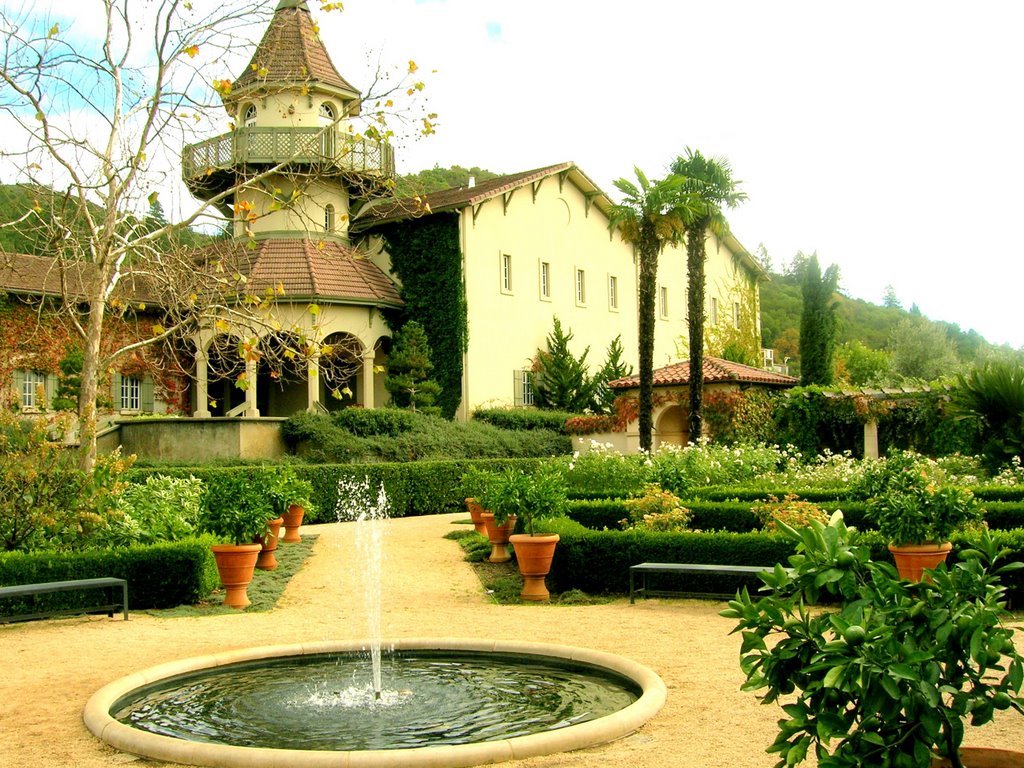
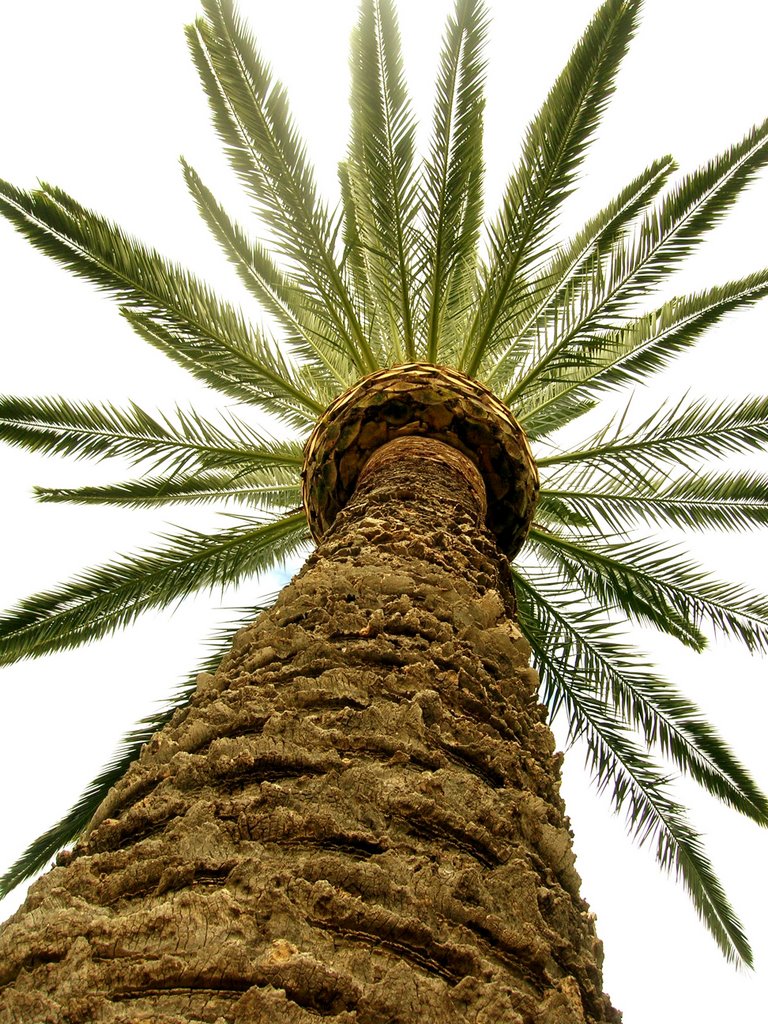
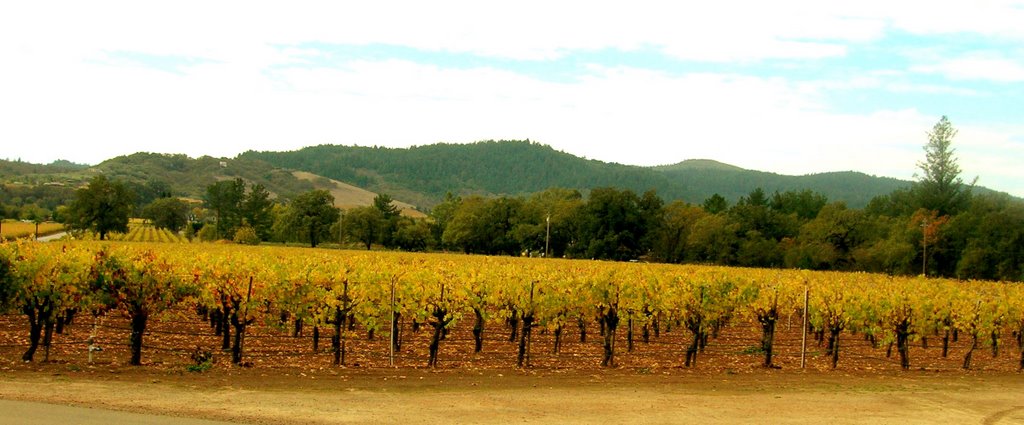
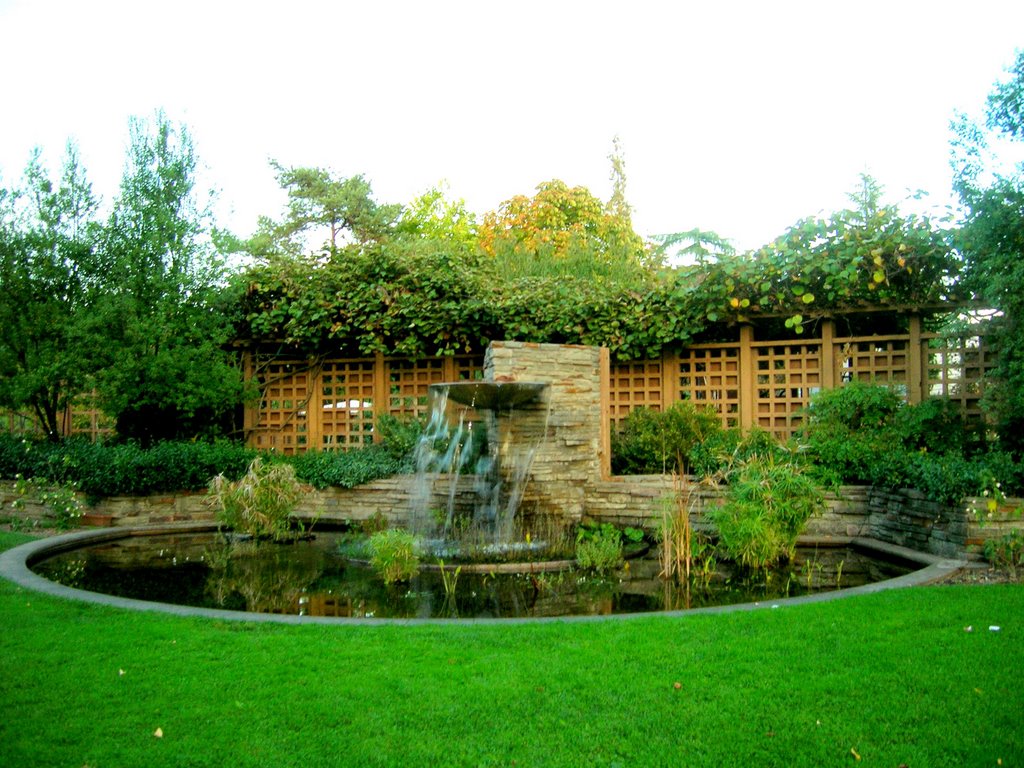
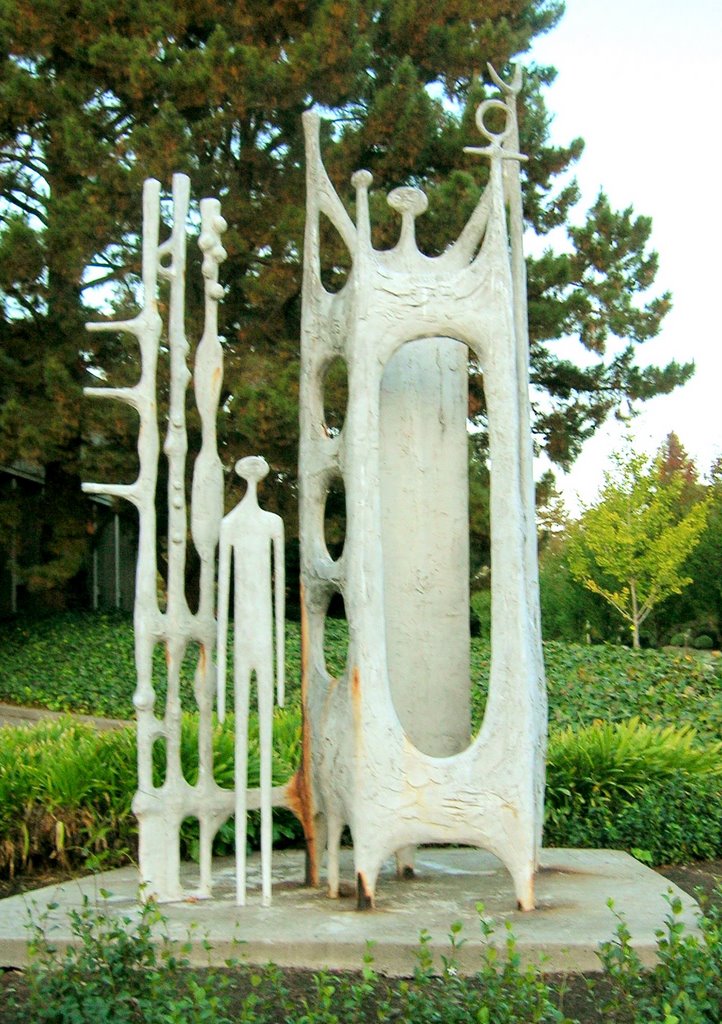
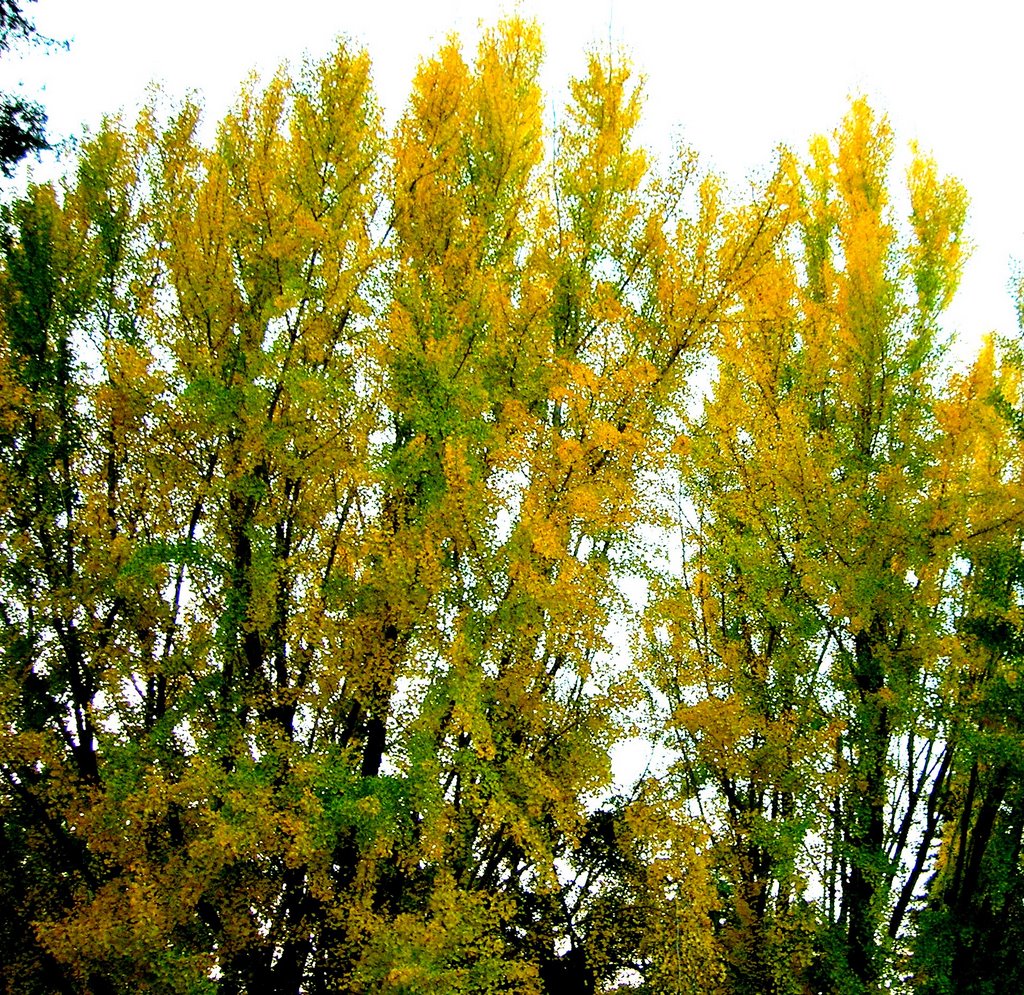
A trip to the Sonoma county of California was very relaxing. We enjoyed the drive in the Scenic route of Hwy 12. This county, being the Wine Capital, we went past a number of Vineyards. The long stretch of the Vinery was a wonderful sight. Both the sides of the Freeway were enveloped with lovely colors of the fall and were a treat to the eyes. Beautiful and Colorful Flowers decorated the Vineyards. We visited the Kenwood Vineyard and the Chateau St. Jean. Both the Vineyards owned acres of Vinery. Below are the Pictures I took in the Vineyards. I liked the Chateau Vineyard, which displayed a real Chateau with a lovely garden. (Chateau means an impressive country house or castle in France). The Tall Palm tree in the middle of a green lawn was a wonderful sight.

We also made a trip to the Burbank Home and Gardens located in the Santa Rosa. This too showcased beautiful flowers and landscaping.


LinkWithin

LinkWithin Related Stories Widget for Blogs
 
Copyright 2010 Mythreyee's. Powered by Blogger
Blogger Templates created by DeluxeTemplates.net
Wordpress by Wpthemescreator
Blogger Showcase